extended powertrain warranty decisions with confidence
What it covers
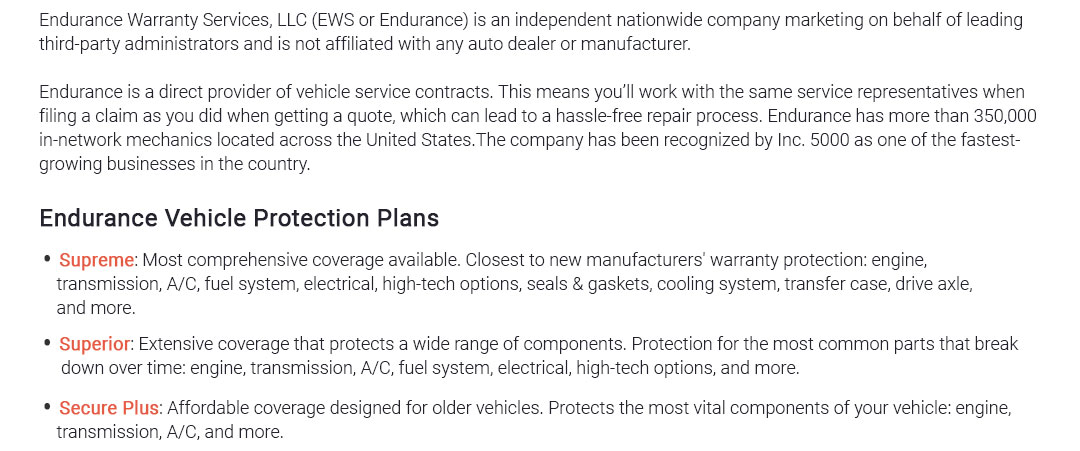
An extended powertrain warranty focuses on the costly core systems: engine, transmission, and drivetrain. It usually covers internal lubricated parts, housings, and related control modules after a covered failure. Routine maintenance and wear items are excluded. Fluids and diagnostics are paid only when tied to an approved repair, a detail that protects costs while preserving reliability.
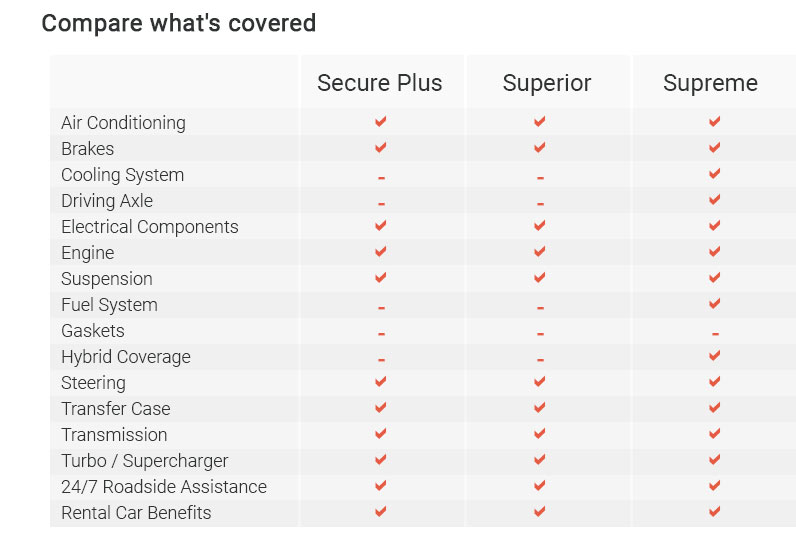
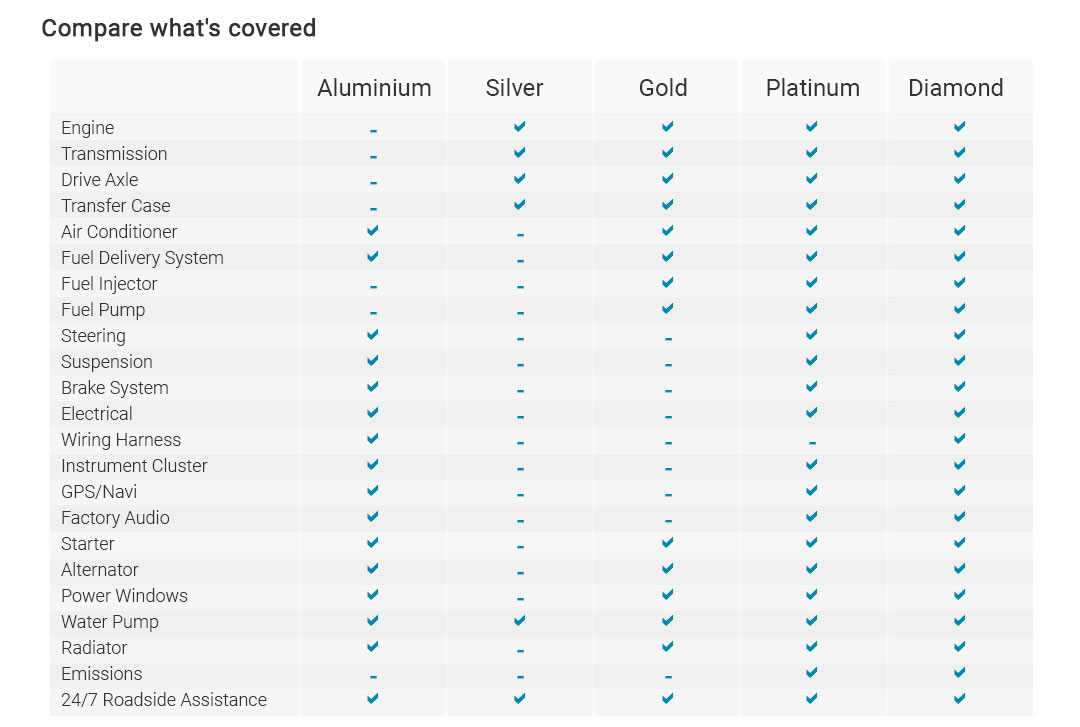
- Engine: timing components, oil pump, turbo/supercharger, internal gaskets.
- Transmission: valve body, torque converter, clutches, control unit.
- Drivetrain: differentials, transfer case, axles, many CV joints.
Why it matters
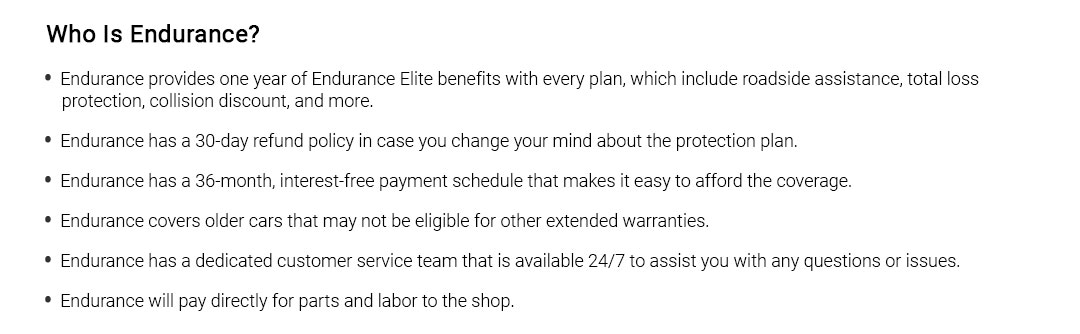
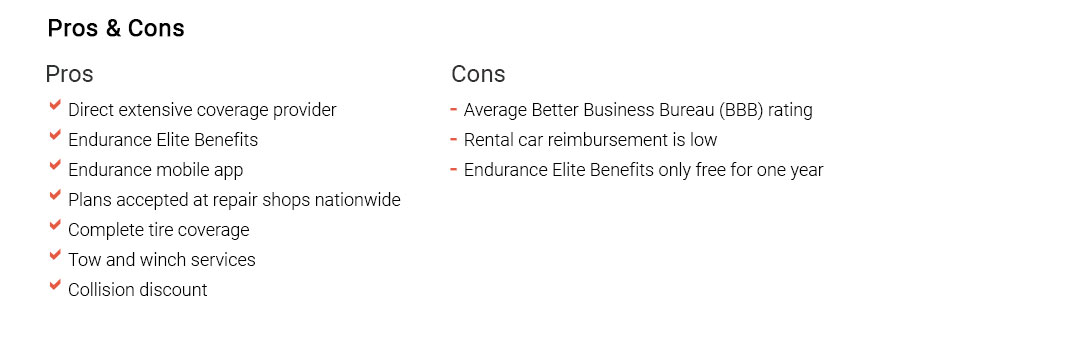
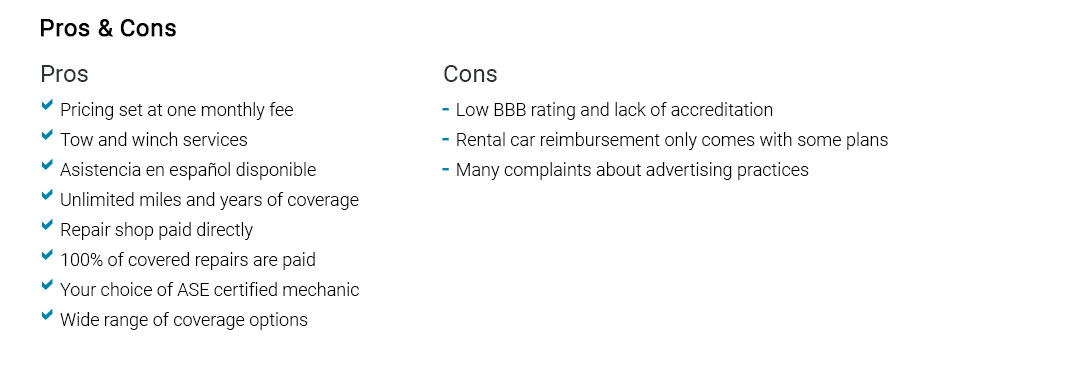
Pros: predictable expenses, access to certified expertise, and often roadside or rental coverage. Cons: deductibles, prior authorization rules, and potential downtime while parts ship. You must follow the maintenance schedule; missed oil changes can void a claim.
Real-world moment: on a cold Monday, Jess lost third gear in traffic. The shop verified the failure, obtained approval, and replaced the unit. The plan paid $3,800; Jess paid a $100 deductible.
Who benefits
Strong fit for owners keeping vehicles past factory coverage, high-mile commuters, used buyers without full records, and modern turbo or hybrid powertrains. Gentle limitation: frequent traders or cars with preexisting issues may see limited value or eligibility.
How to evaluate
- Exclusionary vs stated-component; years and mileage caps.
- Repair network, approval steps, OEM parts and fluids.
- Transferability, prorated cancellation, deductible per visit.
- Service-record rules; digital logs usually accepted.
- Claim caps per visit and aggregate limits.
Bottom line
A well-chosen plan adds financial stability and leverages professional expertise. Read the contract, match coverage to your driving pattern, and keep records. If the fit is right, it's a quiet upgrade to long-term reliability.